Cane River Creole National Historical Park
National Historical Park · Louisiana
NPS Photo

National Historical Park of the United States
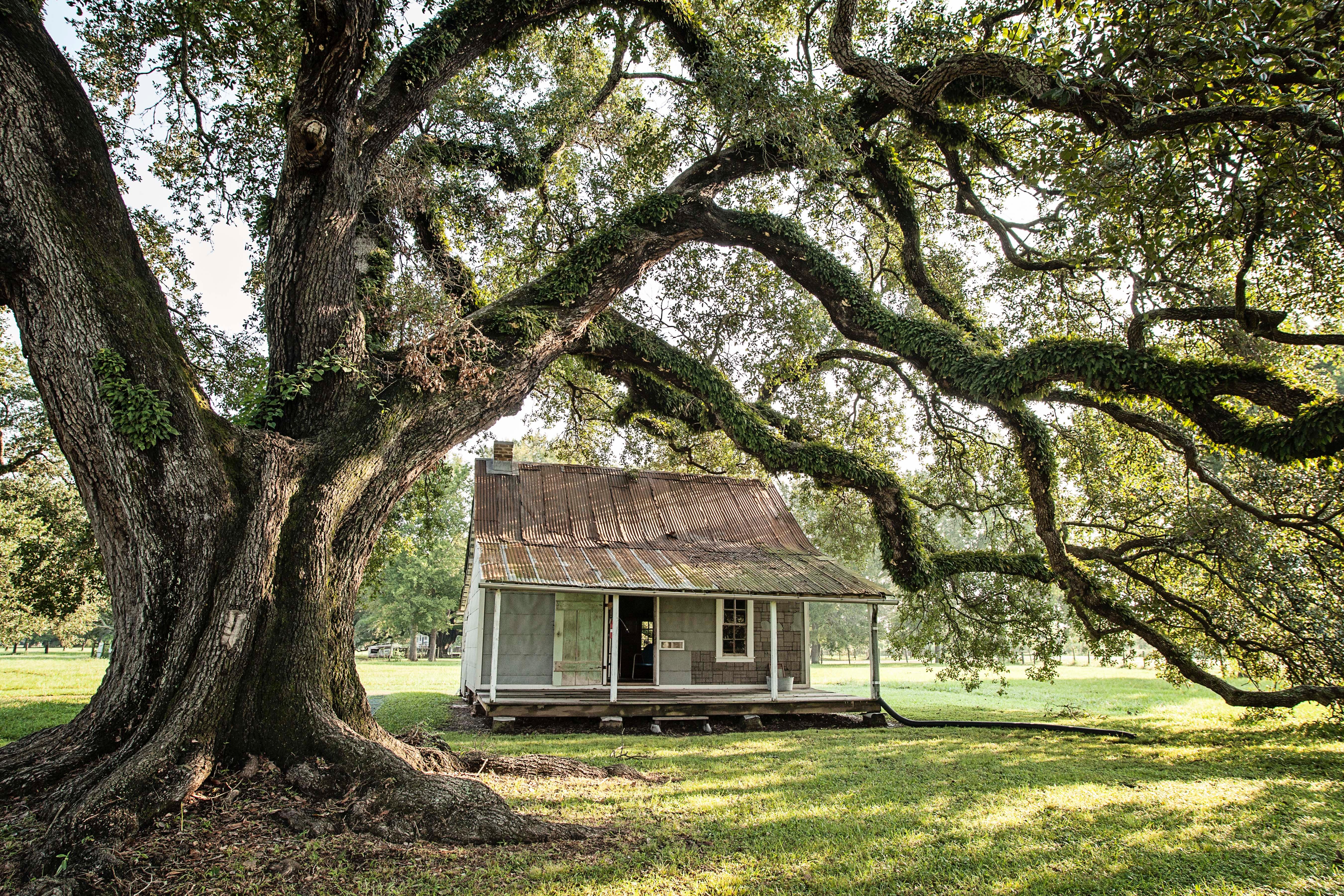
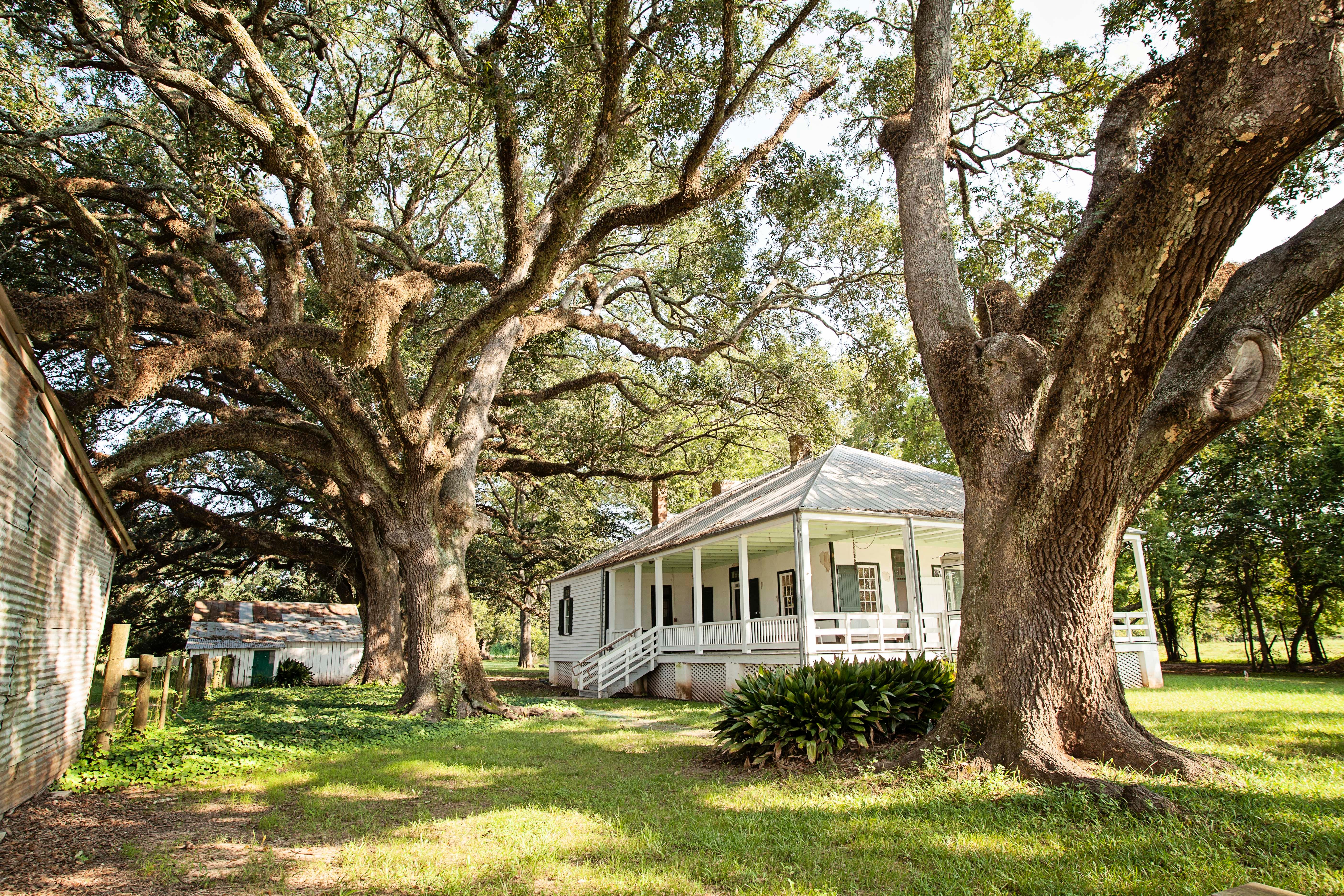
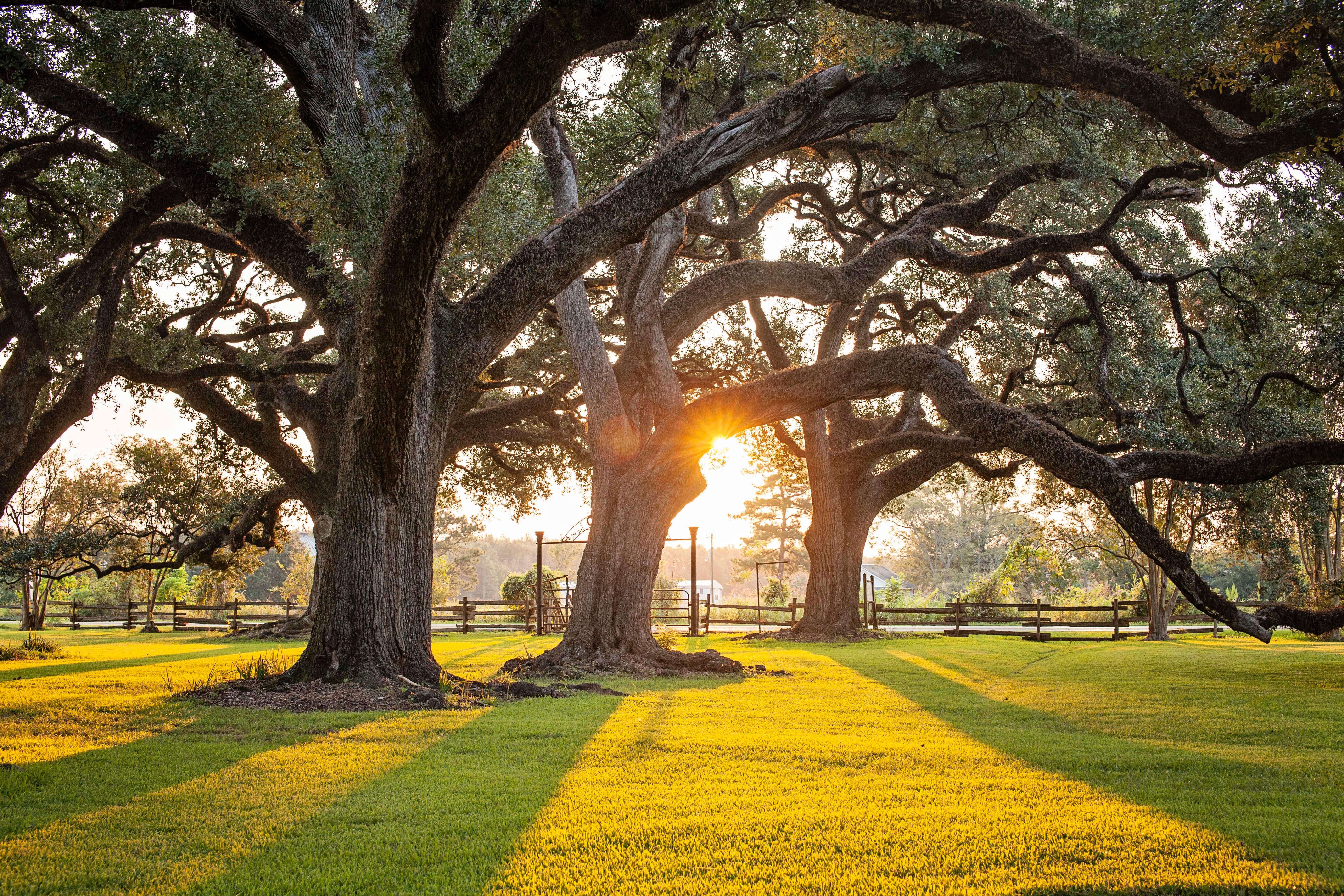
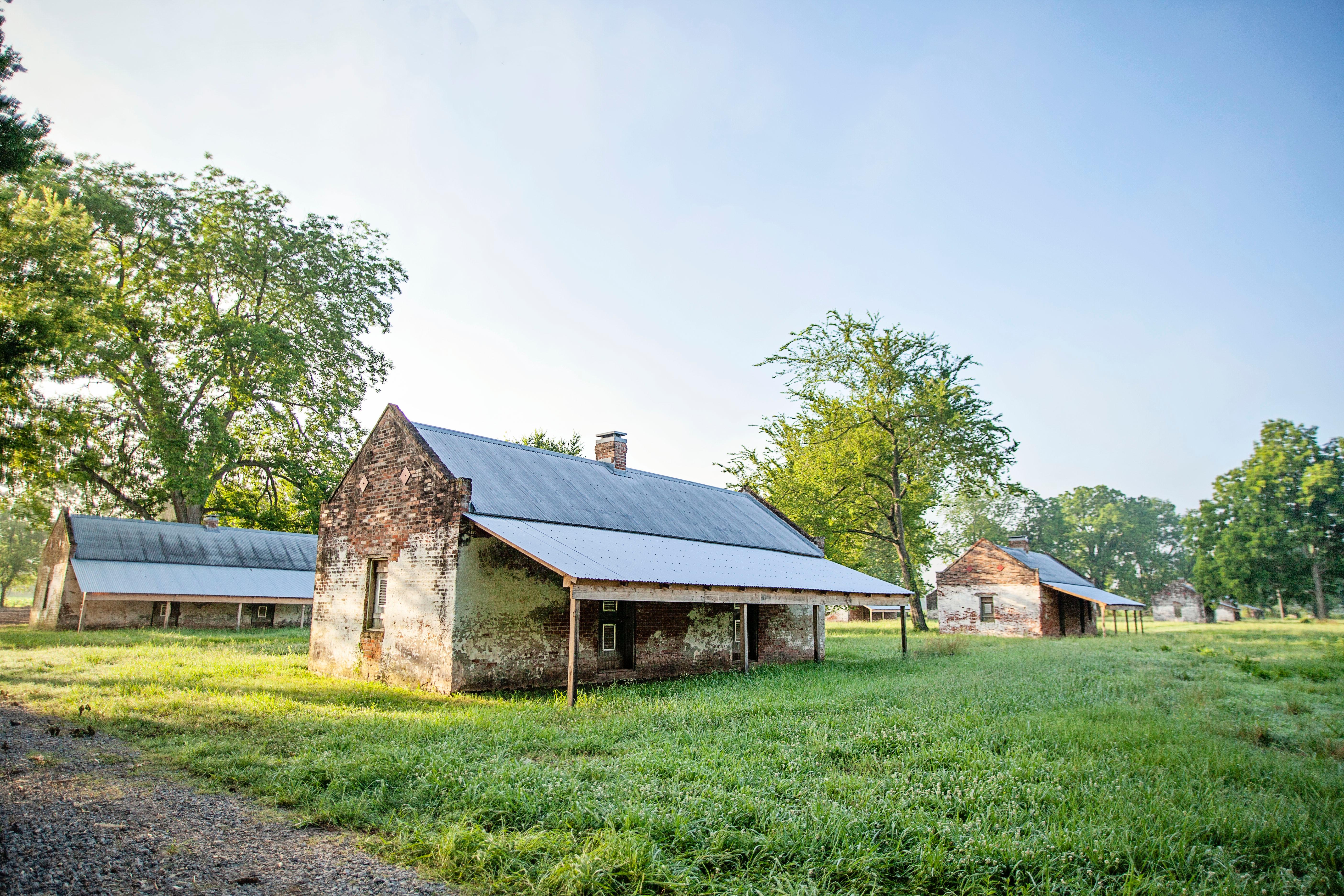
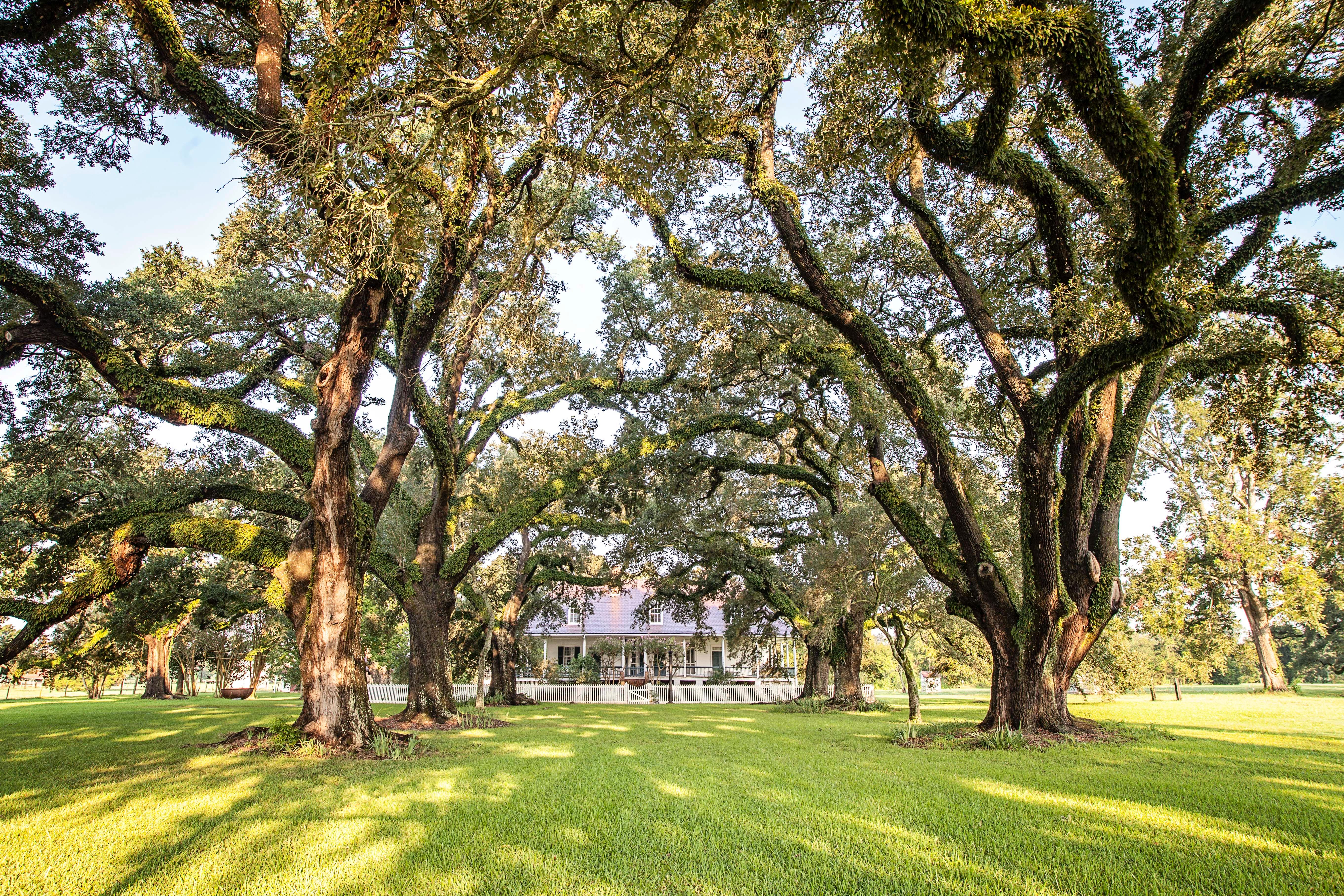
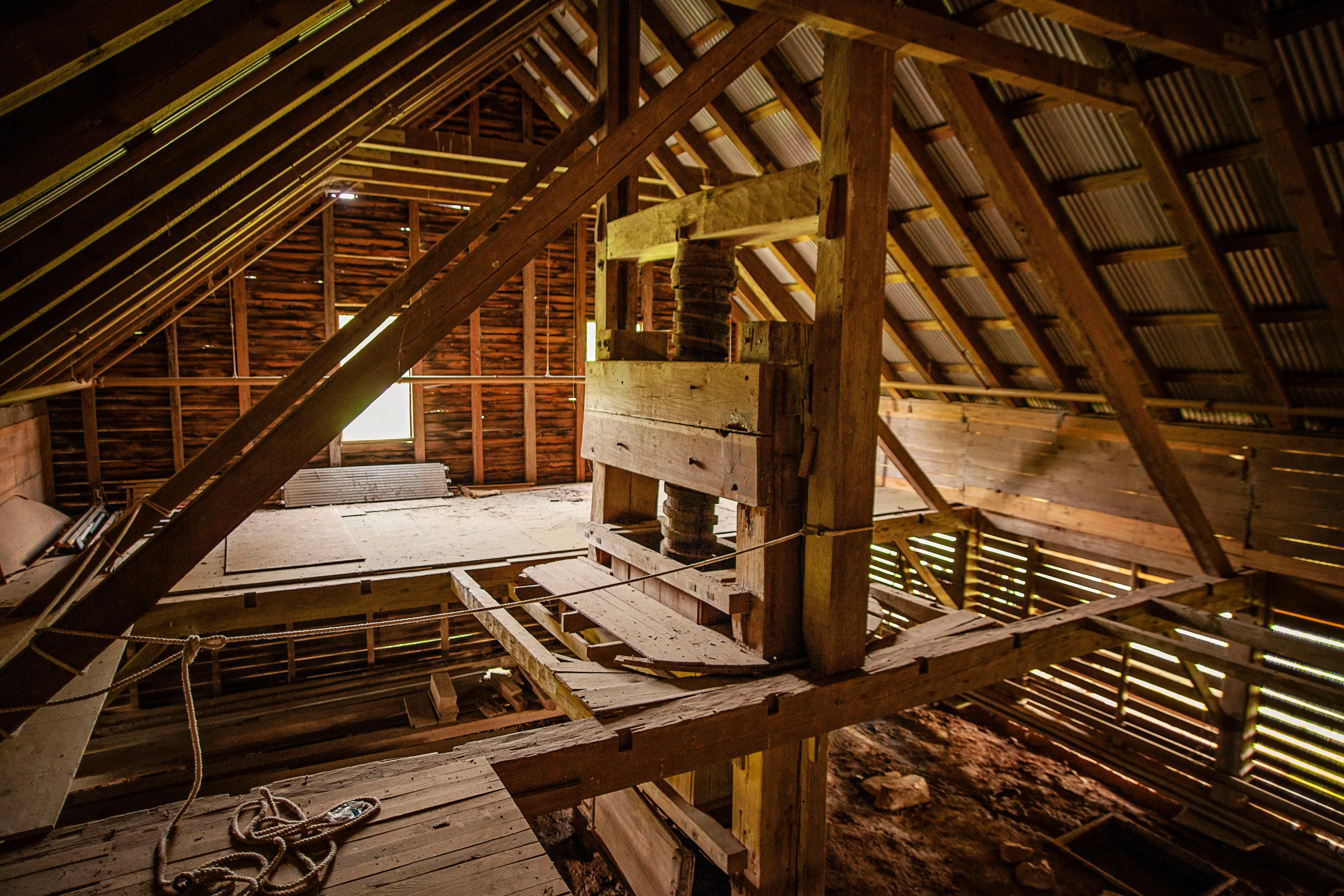
The Cane River Creole National Historical Park was established in 1994 to preserve the resources and cultural landscapes of the Cane River region in Natchitoches Parish, Louisiana. Located along Cane River Lake, the park is approximately 63 acres and includes two French Creole cotton plantations, Oakland and Magnolia. Both plantations are complete in their historic settings, including landscapes, outbuildings, structures, furnishings, and artifacts; and they are the most intact French Creole cotton plantations in the United States. In total, 65 historic structures and over a million artifacts enhance the National Park Service mission as it strives to tell the story of the evolution of plantation agriculture through the perspective of the land owners, enslaved workers, overseers, skilled workers, and tenant farmers who resided along the Cane River for over two hundred years. This park is included as a site on the Louisiana African American Heritage Trail.
About Cane River Creole National Historical Park
The Cane River region is home to a unique culture; the Creoles. Generations of the same families of workers, enslaved and tenant, and owners lived on these lands for over 200 years. The park tells their stories and preserves the cultural landscape of Oakland and Magnolia Plantations, two of the most intact Creole cotton plantations in the United States.
Park Photos
Activities
Operating Hours
Oakland and Magnolia Plantations
The Texas & Pacific Railway Depot, Oakland Plantation and Magnolia Plantation are open Wednesday through Sunday from 9 am to 3:30 pm. Both self-guided and guided tours of the plantation grounds and outbuildings are available. In addition, the park store located in the Oakland Plantation store is open for shopping. The Oakland Plantation Main House is open for self-guided tours only on Saturday and Sunday from 10 a.m. to 2 p.m. Closed all federal holidays.
| mon | tue | wed | thu | fri | sat | sun |
|---|---|---|---|---|---|---|
| Closed | Closed | 9:00AM - 3:30PM | 9:00AM - 3:30PM | 9:00AM - 3:30PM | 9:00AM - 3:30PM | 9:00AM - 3:30PM |
Frequently Asked Questions
How much does it cost to enter Cane River Creole National Historical Park?
Cane River Creole National Historical Park is free to enter.
What are the best activities at Cane River Creole National Historical Park?
Popular activities at Cane River Creole National Historical Park include: Arts and Culture, Food, Picnicking, Guided Tours, Self-Guided Tours - Walking, Junior Ranger Program.
What is the weather like at Cane River Creole National Historical Park?
Weather in central Louisiana can be unpredictable. Summers are hot and humid. Winter is relatively mild with measurable snowfall every 5-10 years. Average rainfall is approximately 55-60 inches per year. The area is also subject to severe thunderstorms, hail, damaging winds, and tornadoes. Visitors might want to bring hats, umbrellas, and drink plenty of water. Please check the local weather forecast before planning your visit to the park.
How do I get to Cane River Creole National Historical Park?
To reach Oakland Plantation, take I-49 to Exit 127, Flora/Cypress. Head east on LA Highway 120 toward Cypress. Cross over LA Highway 1 onto LA Highway 494. The parking lot and entrance pavilion for Oakland is 4.5 miles east of Highway 1 on the left. To reach Magnolia Plantation, take I-49 to Exit 119, Cloutierville. Cross over LA Highway 1 onto LA Highway 119. Follow Highway 119 for 1.1 miles; the visitor parking lot will be on the right just before the plantation store.
Entrance Fees
Free Admission
Weather
Weather in central Louisiana can be unpredictable. Summers are hot and humid. Winter is relatively mild with measurable snowfall every 5-10 years. Average rainfall is approximately 55-60 inches per year. The area is also subject to severe thunderstorms, hail, damaging winds, and tornadoes. Visitors might want to bring hats, umbrellas, and drink plenty of water. Please check the local weather forecast before planning your visit to the park.
Directions
To reach Oakland Plantation, take I-49 to Exit 127, Flora/Cypress. Head east on LA Highway 120 toward Cypress. Cross over LA Highway 1 onto LA Highway 494. The parking lot and entrance pavilion for Oakland is 4.5 miles east of Highway 1 on the left. To reach Magnolia Plantation, take I-49 to Exit 119, Cloutierville. Cross over LA Highway 1 onto LA Highway 119. Follow Highway 119 for 1.1 miles; the visitor parking lot will be on the right just before the plantation store.
📍 View on Google Maps →Location
Official Resources
NPS Official WebsiteMore Parks in Louisiana
Other national park sites you might enjoy
El Camino Real de los Tejas National Historic Trail
National Historic Trail · Free
Jean Lafitte National Historical Park and Preserve
National Historical Park and Preserve · Free

New Orleans Jazz National Historical Park
National Historical Park · Free
Poverty Point National Monument
National Monument · Free