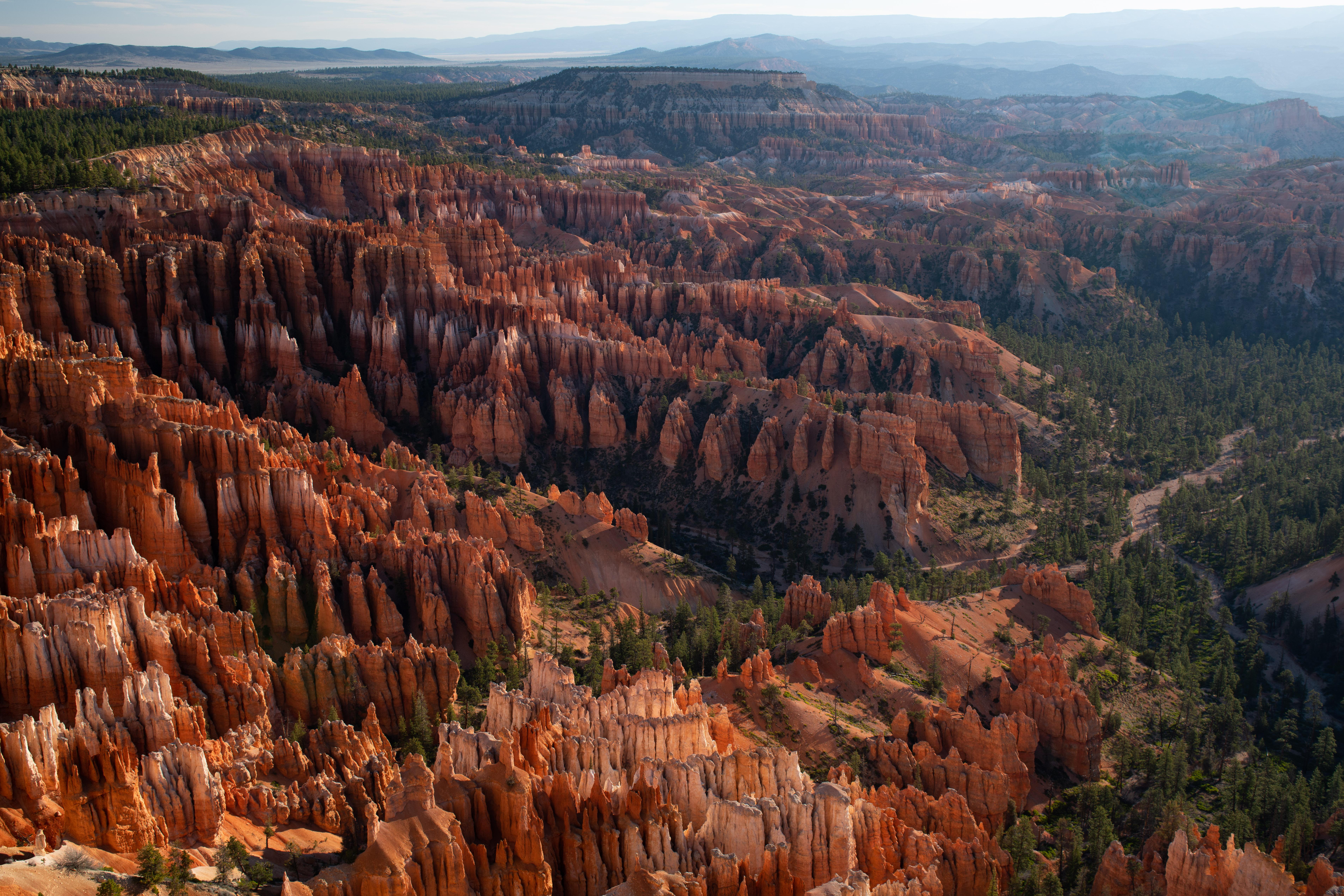
Bryce Canyon National Park
National Park · Utah
NPS Photo / Peter Densmore
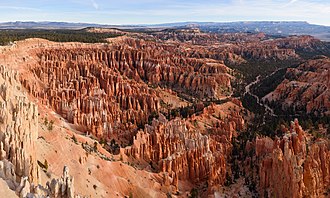
National park in Utah, United States
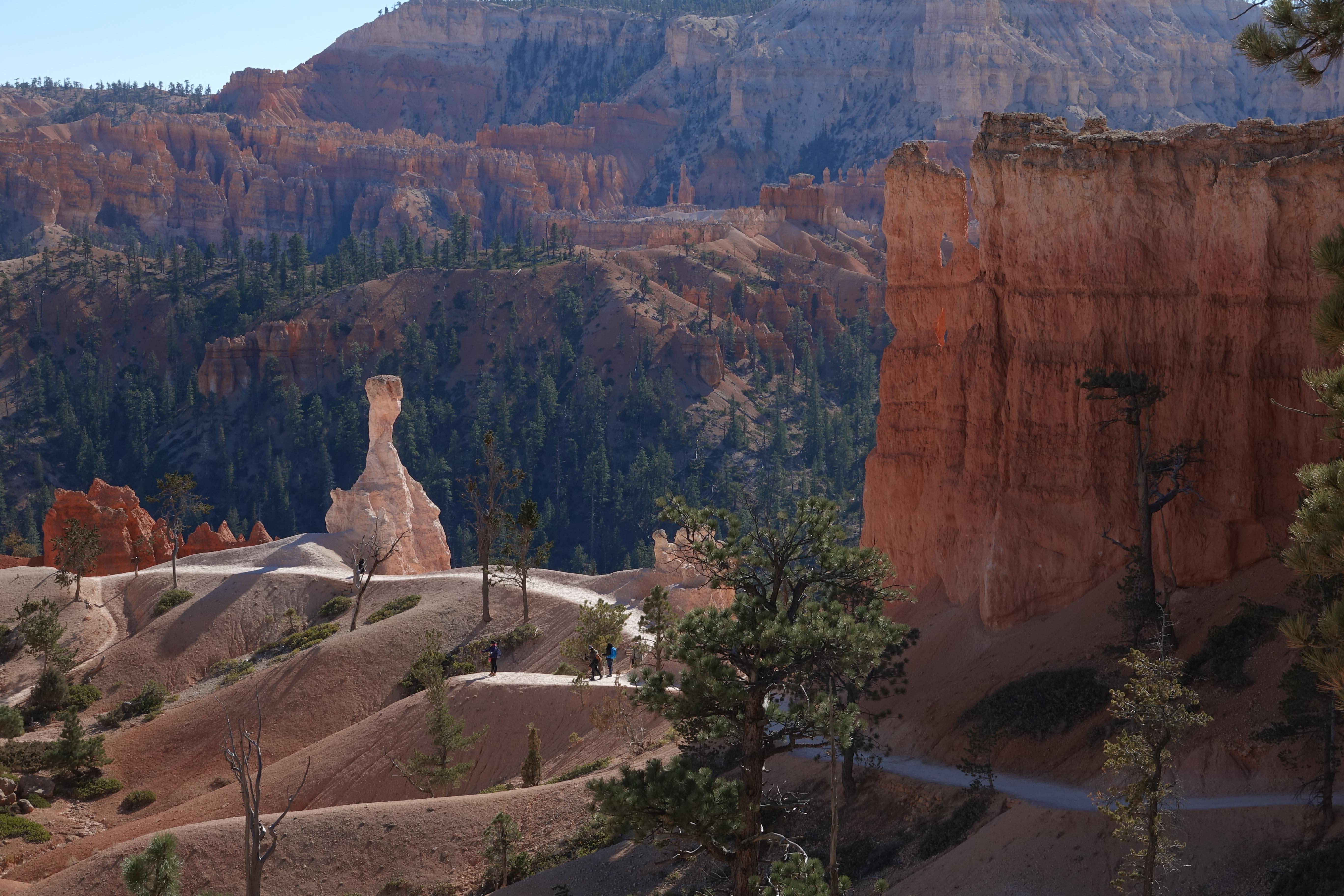
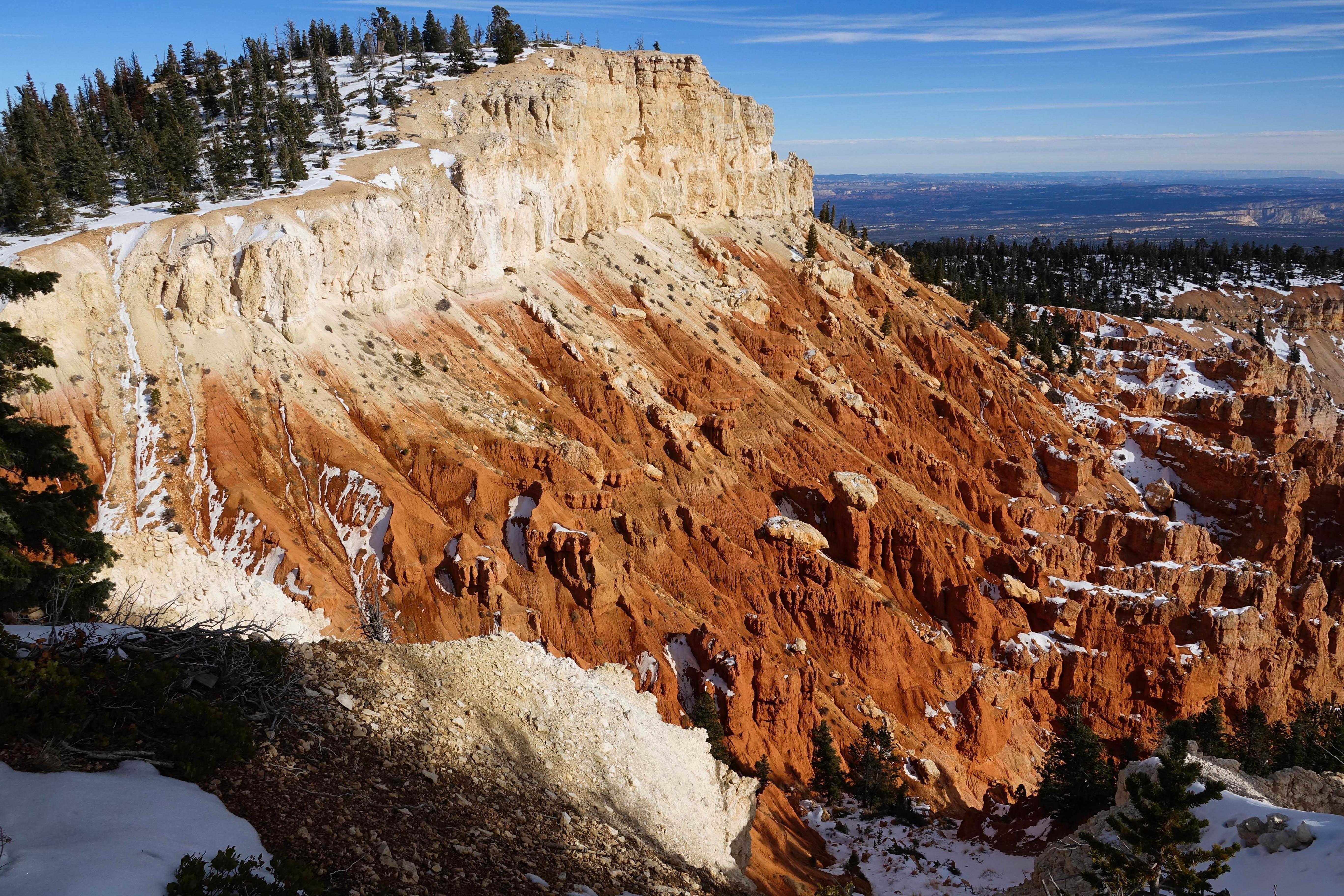
Bryce Canyon National Park is a national park of the United States located in southwestern Utah. The major feature of the park is Bryce Canyon, which, despite its name, is not a canyon but a collection of giant natural amphitheaters along the eastern side of the Paunsaugunt Plateau. Bryce is distinctive due to geological structures called hoodoos, formed by frost weathering and stream erosion of the river and lake bed sedimentary rock. The red, orange, and white colors of the rocks provide distinctive views for park visitors. Bryce Canyon National Park is much smaller and sits at a much higher elevation than nearby Zion National Park. The rim at Bryce varies from 8,000 to 9,000 feet.
About Bryce Canyon National Park
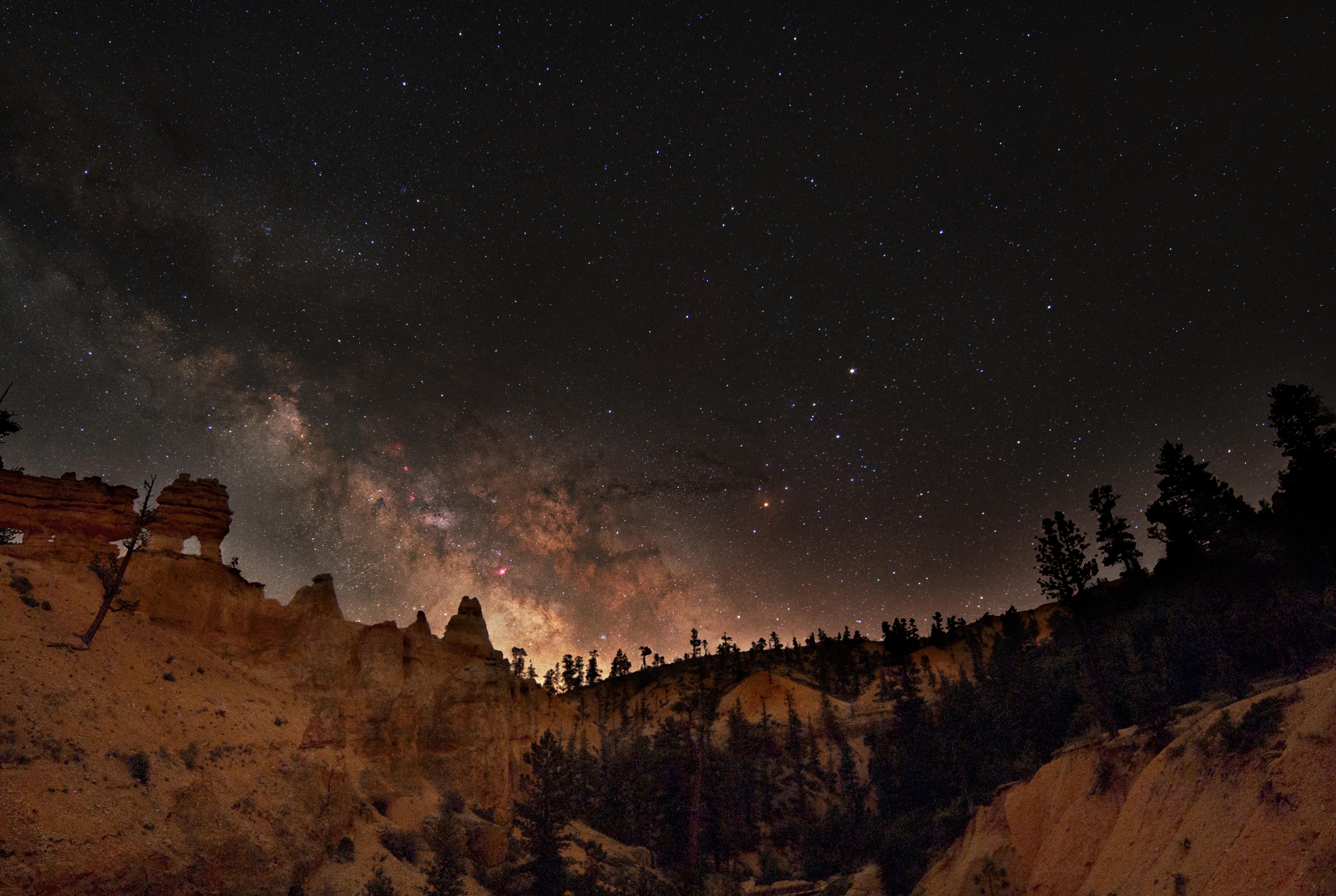
Hoodoos (irregular columns of rock) exist on every continent, but here is the largest concentration found anywhere on Earth. Situated along a high plateau at the top of the Grand Staircase, the park's high elevations include numerous life communities, fantastic dark skies, and geological wonders that defy description.
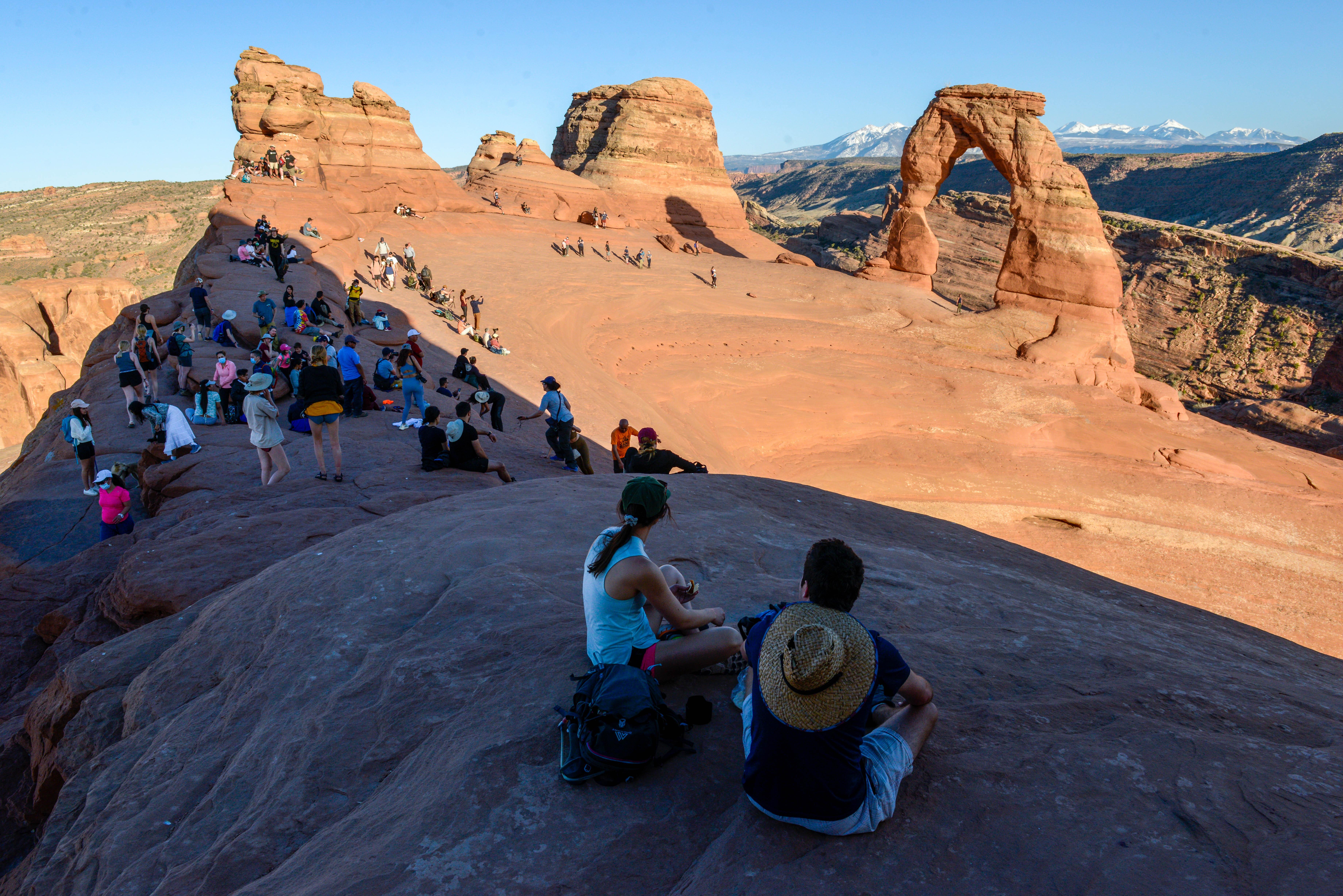
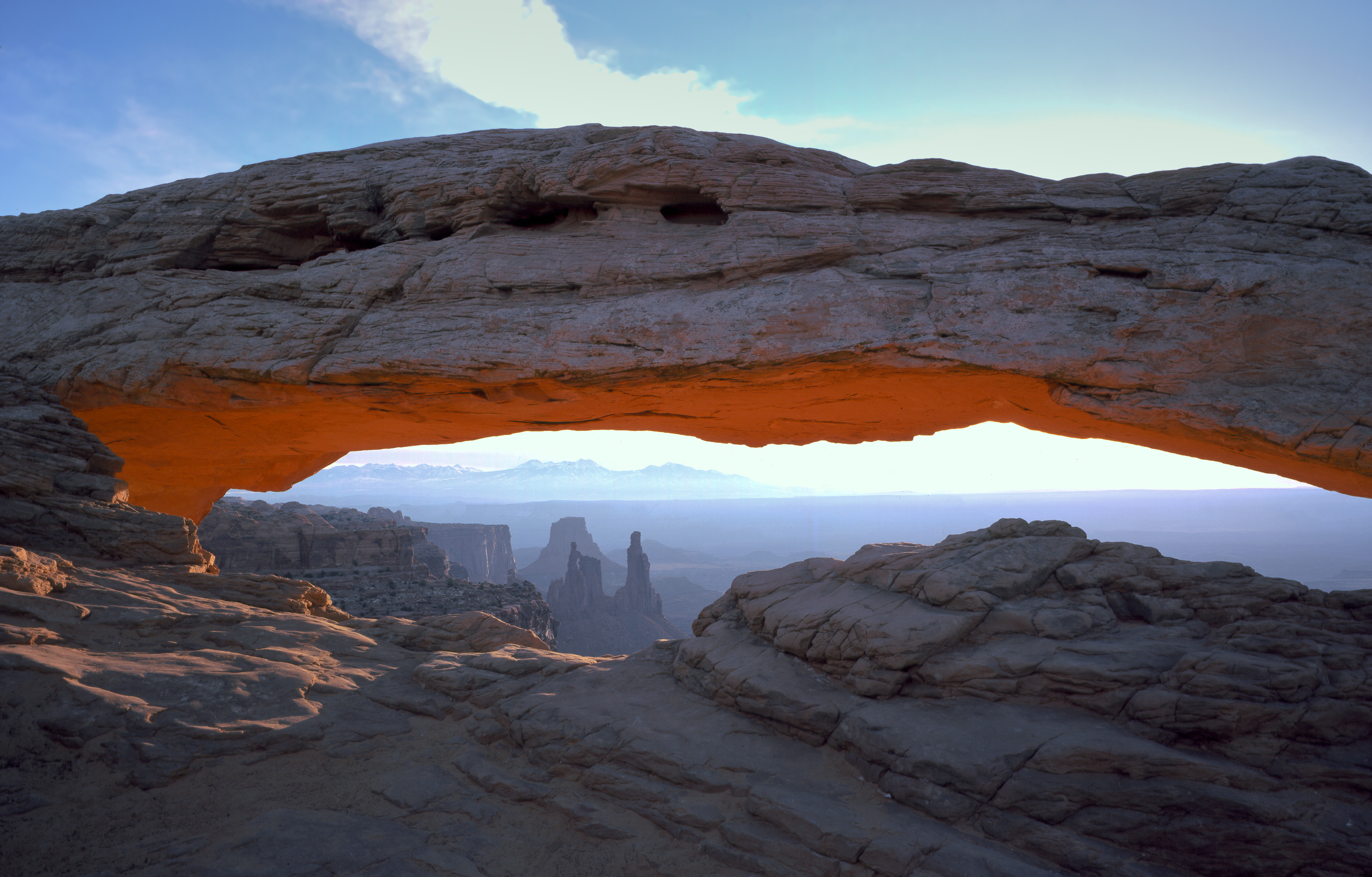
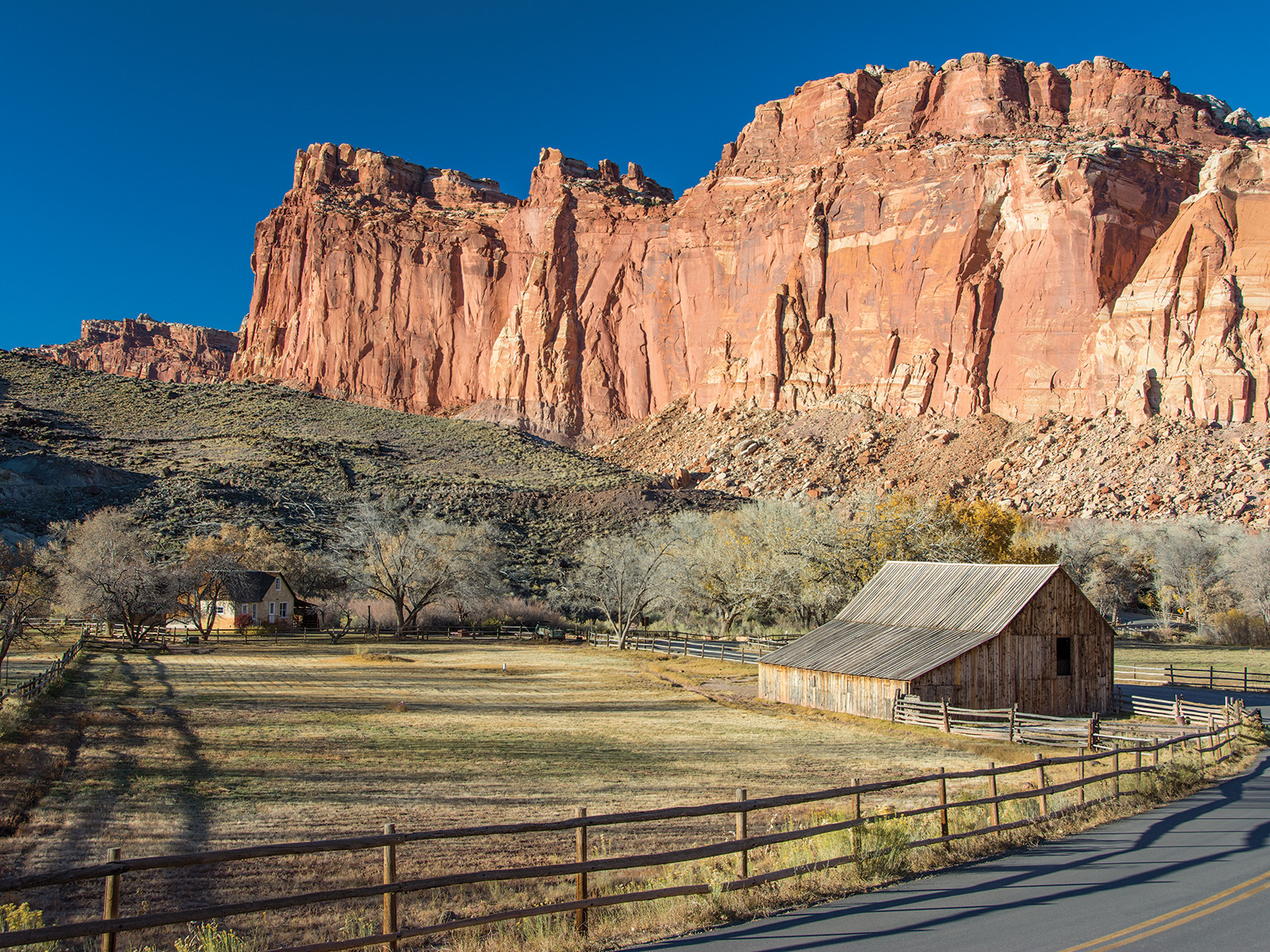
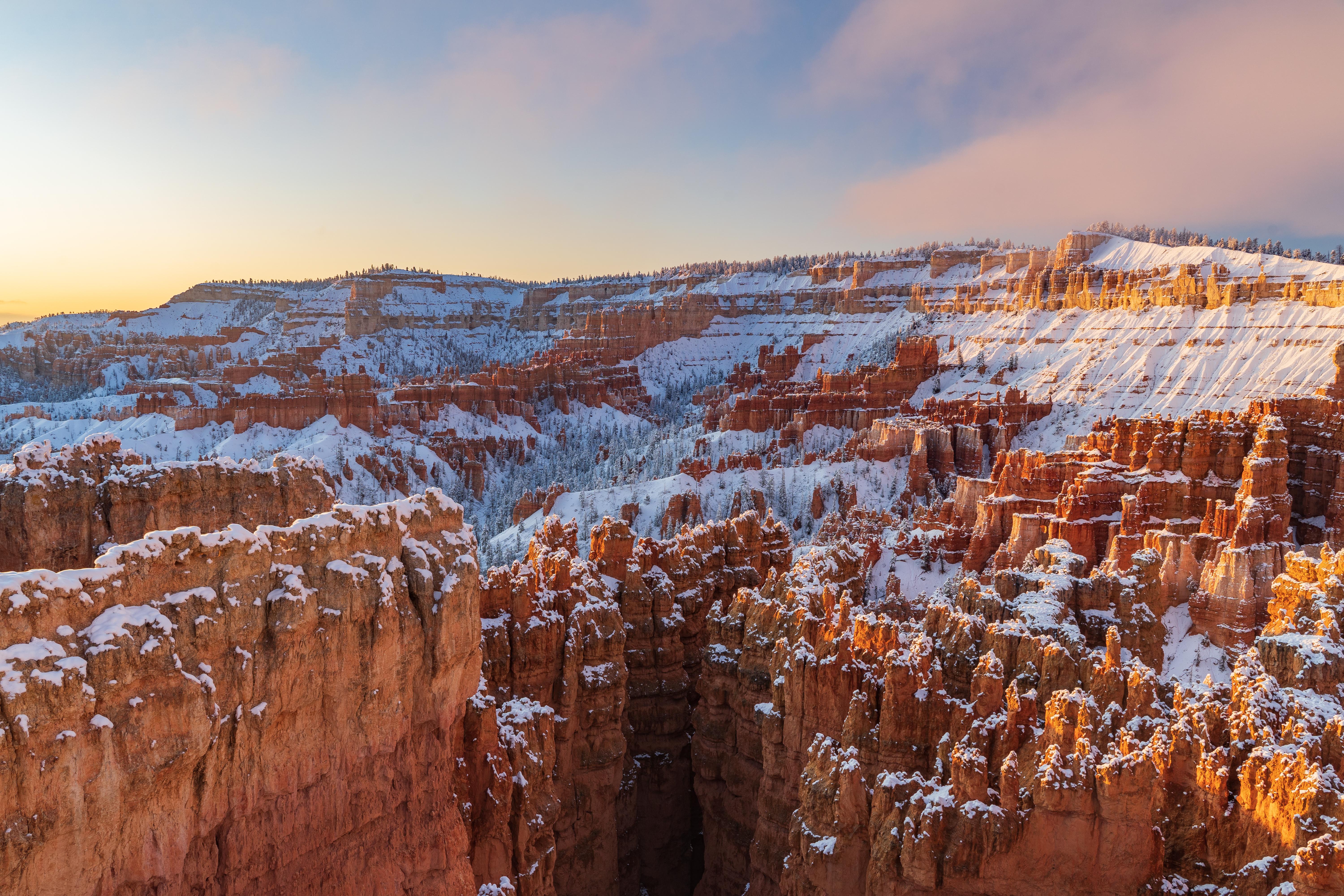
Park Photos
Activities
Operating Hours
Park is Open 24-7
Bryce Canyon National Park is open 365 days a year, 24 hours a day.
| mon | tue | wed | thu | fri | sat | sun |
|---|---|---|---|---|---|---|
| All Day | All Day | All Day | All Day | All Day | All Day | All Day |
Frequently Asked Questions
How much does it cost to enter Bryce Canyon National Park?
Entrance - Private Vehicle: $35.00. Admits one private, non-commercial vehicle (15 passenger capacity or less) and all occupants. Entrance - Motorcycle: $30.00. Valid for 7 days. Admits up to 2 private, non-commercial motorcycles with up to 4 total passengers. Entrance - Per Person: $20.00. Admits one individual with no car to the park - typically used for bicyclists and walk-ins. Youth 15 and under are admitted free. Commercial Entrance - Sedan: $50.00. Commercial tour vehicle rates are based on vehicle capacity. Pass is valid for the day of purchase and the next six days for a vehicle carrying the same group of passengers. A commercial tour is defined as consisting of one or more persons traveling on an itinerary that has been packaged, priced, or sold for leisure or recreational purposes by an organization that realizes financial gain through the provision of the service. The entry fees of commercial tours are based upon the total capacity of vehicles t Commercial Entrance - Van: $50.00. Commercial tour vehicle rates are based on vehicle capacity. Pass is valid for the day of purchase and the next six days for a vehicle carrying the same group of passengers. A commercial tour is defined as consisting of one or more persons traveling on an itinerary that has been packaged, priced, or sold for leisure or recreational purposes by an organization that realizes financial gain through the provision of the service. The entry fees of commercial tours are based upon the total capacity of vehicles t Commercial Entrance - Mini-bus: $60.00. Commercial tour vehicle rates are based on vehicle capacity. Pass is valid for the day o A commercial tour is defined as consisting of one or more persons traveling on an itinerary that has been packaged, priced, or sold for leisure or recreational purposes by an organization that realizes financial gain through the provision of the service. The entry fees of commercial tours are based upon the total capacity of vehicles that can carry seven or more passengers regardless of the actual number of passengers. Commercial Entrance - Motor Coach: $150.00. Commercial tour vehicle rates are based on vehicle capacity. Pass is valid for the day of purchase and the next six days for a vehicle carrying the same group of passengers. A commercial tour is defined as consisting of one or more persons traveling on an itinerary that has been packaged, priced, or sold for leisure or recreational purposes by an organization that realizes financial gain through the provision of the service. The entry fees of commercial tours are based upon the total capacity of vehicles. Nonresident: $100.00. Each non-US resident aged 16 and older visiting Bryce Canyon National Park must pay a $100 nonresident fee (in addition to the standard entrance fee), unless admitted with an Annual or America the Beautiful Pass. This includes nonresidents entering as part of a commercial tour group, commercial use authorization (CUA) group, or concessioner tour group.
What are the best activities at Bryce Canyon National Park?
Popular activities at Bryce Canyon National Park include: Astronomy, Stargazing, Biking, Road Biking, Camping, Backcountry Camping, Car or Front Country Camping, Group Camping.
What is the weather like at Bryce Canyon National Park?
Due of its high elevation climate, weather at Bryce Canyon through autumn, winter, and spring can be highly variable. From October to May temperatures fall below freezing nearly every night. The park typically experiences its coldest and snowiest periods from December through February. Spring storms in March and April can still produce heavy snowfall that may impact travel in the region. Summer highs are typically in the 70s-80s F and afternoon thunderstorms are common in July and August.
How do I get to Bryce Canyon National Park?
From the North: Take I-15 south to UT-20 (exit 95). Travel east on UT-20 to US-89. Follow US-89 south to UT-12. Travel east on UT-12 to UT-63. Take UT-63 south to Bryce Canyon NP. From the South through Zion National Park: Take I-15 north to UT-9 (exit 16). Follow UT-9 east through Zion National Park to US-89. Travel north on US-89 to UT-12. Go east on UT-12 to UT-63. Take UT-63 south to Bryce Canyon NP. From the East Travel west on UT-12 to UT-63. Take UT-63 south to Bryce Canyon NP.
Entrance Fees
Admits one private, non-commercial vehicle (15 passenger capacity or less) and all occupants.
Valid for 7 days. Admits up to 2 private, non-commercial motorcycles with up to 4 total passengers.
Admits one individual with no car to the park - typically used for bicyclists and walk-ins. Youth 15 and under are admitted free.
Commercial tour vehicle rates are based on vehicle capacity. Pass is valid for the day of purchase and the next six days for a vehicle carrying the same group of passengers. A commercial tour is defined as consisting of one or more persons traveling on an itinerary that has been packaged, priced, or sold for leisure or recreational purposes by an organization that realizes financial gain through the provision of the service. The entry fees of commercial tours are based upon the total capacity of vehicles t
Commercial tour vehicle rates are based on vehicle capacity. Pass is valid for the day of purchase and the next six days for a vehicle carrying the same group of passengers. A commercial tour is defined as consisting of one or more persons traveling on an itinerary that has been packaged, priced, or sold for leisure or recreational purposes by an organization that realizes financial gain through the provision of the service. The entry fees of commercial tours are based upon the total capacity of vehicles t
Commercial tour vehicle rates are based on vehicle capacity. Pass is valid for the day o A commercial tour is defined as consisting of one or more persons traveling on an itinerary that has been packaged, priced, or sold for leisure or recreational purposes by an organization that realizes financial gain through the provision of the service. The entry fees of commercial tours are based upon the total capacity of vehicles that can carry seven or more passengers regardless of the actual number of passengers.
Commercial tour vehicle rates are based on vehicle capacity. Pass is valid for the day of purchase and the next six days for a vehicle carrying the same group of passengers. A commercial tour is defined as consisting of one or more persons traveling on an itinerary that has been packaged, priced, or sold for leisure or recreational purposes by an organization that realizes financial gain through the provision of the service. The entry fees of commercial tours are based upon the total capacity of vehicles.
Each non-US resident aged 16 and older visiting Bryce Canyon National Park must pay a $100 nonresident fee (in addition to the standard entrance fee), unless admitted with an Annual or America the Beautiful Pass. This includes nonresidents entering as part of a commercial tour group, commercial use authorization (CUA) group, or concessioner tour group.
Weather
Due of its high elevation climate, weather at Bryce Canyon through autumn, winter, and spring can be highly variable. From October to May temperatures fall below freezing nearly every night. The park typically experiences its coldest and snowiest periods from December through February. Spring storms in March and April can still produce heavy snowfall that may impact travel in the region. Summer highs are typically in the 70s-80s F and afternoon thunderstorms are common in July and August.
Directions
From the North: Take I-15 south to UT-20 (exit 95). Travel east on UT-20 to US-89. Follow US-89 south to UT-12. Travel east on UT-12 to UT-63. Take UT-63 south to Bryce Canyon NP. From the South through Zion National Park: Take I-15 north to UT-9 (exit 16). Follow UT-9 east through Zion National Park to US-89. Travel north on US-89 to UT-12. Go east on UT-12 to UT-63. Take UT-63 south to Bryce Canyon NP. From the East Travel west on UT-12 to UT-63. Take UT-63 south to Bryce Canyon NP.
📍 View on Google Maps →Location
Official Resources
NPS Official WebsiteMore Parks in Utah
Other national park sites you might enjoy