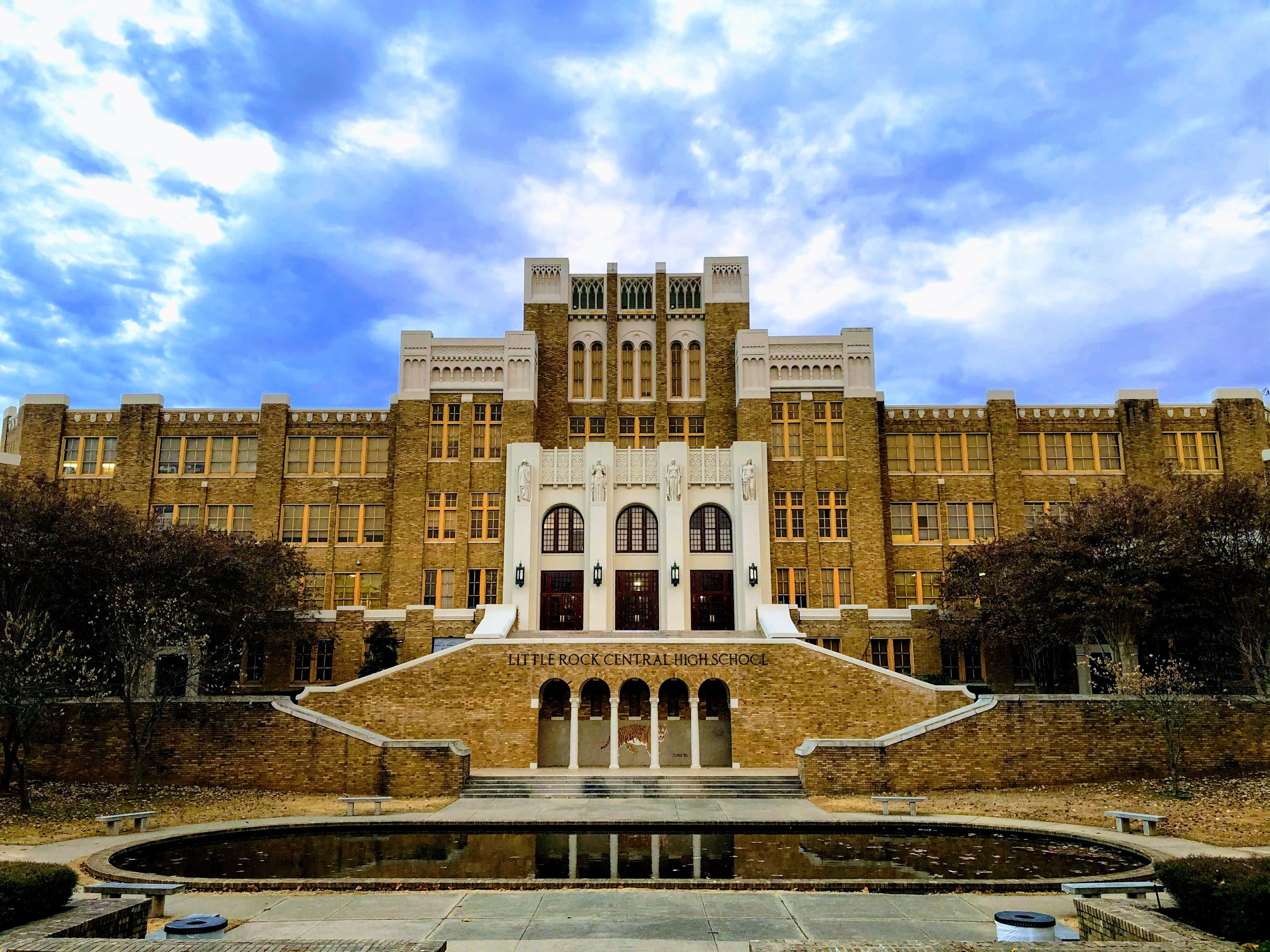
Little Rock Central High School National Historic Site
National Historic Site · Arkansas
NPS Photo

School and historic site in Arkansas, US
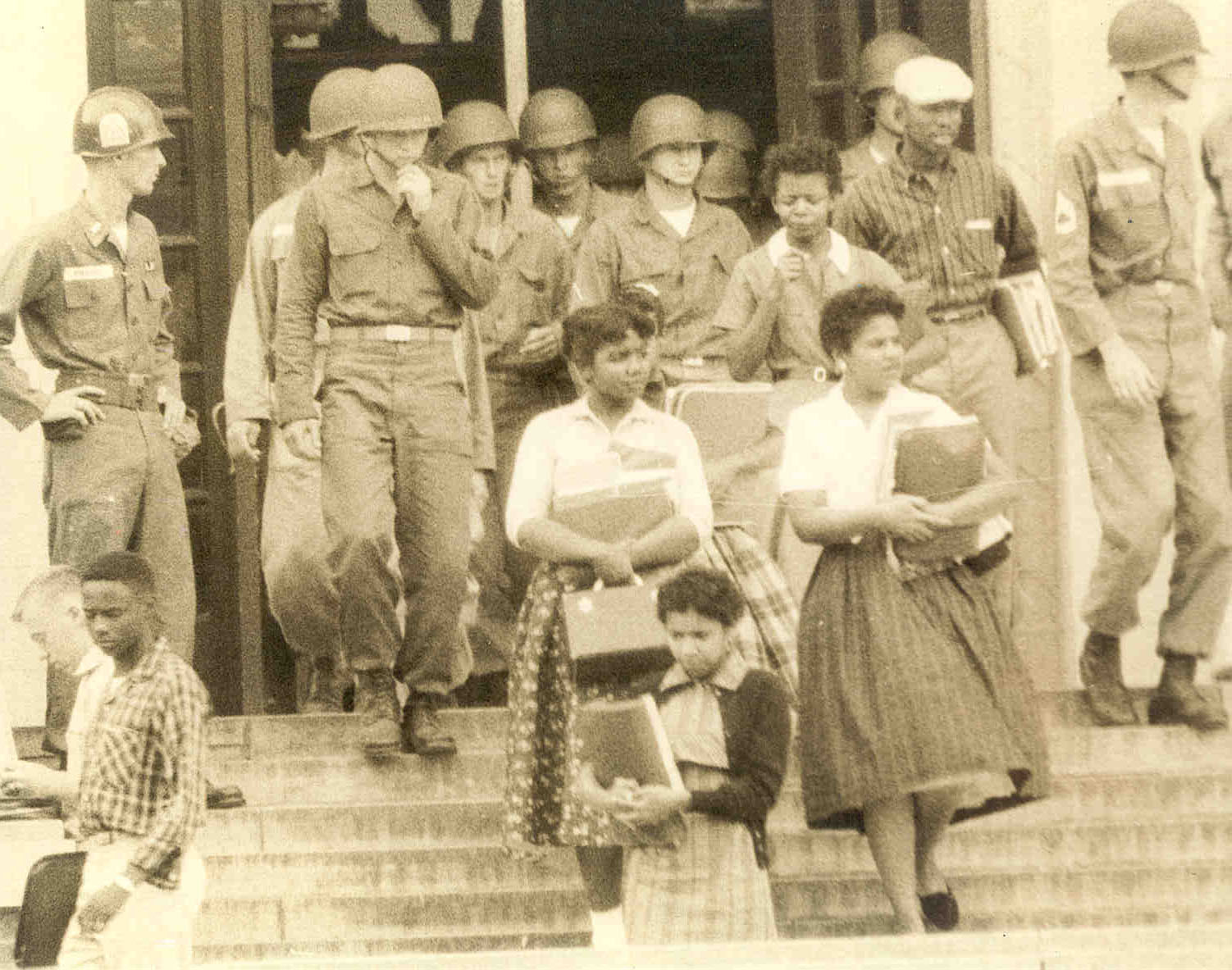
Little Rock Central High School (LRCH) is an accredited comprehensive public high school in Little Rock, Arkansas, United States. The school was the site of the Little Rock Crisis in 1957 after the U.S. Supreme Court ruled that segregation by race in public schools was unconstitutional three years earlier. This was during the period of heightened activism in the civil rights movement.
About Little Rock Central High School National Historic Site
In 1957, Little Rock Central High School was the epicenter of confrontation and a catalyst for change as the fundamental test for the United States to enforce African American civil rights following Brown v. Board of Education. Learn how the sacrifice and struggle endured by the Little Rock Nine have provided opportunities and opened doors for those seeking education around the world.
Park Photos
Activities
Operating Hours
Little Rock Central High School NHS
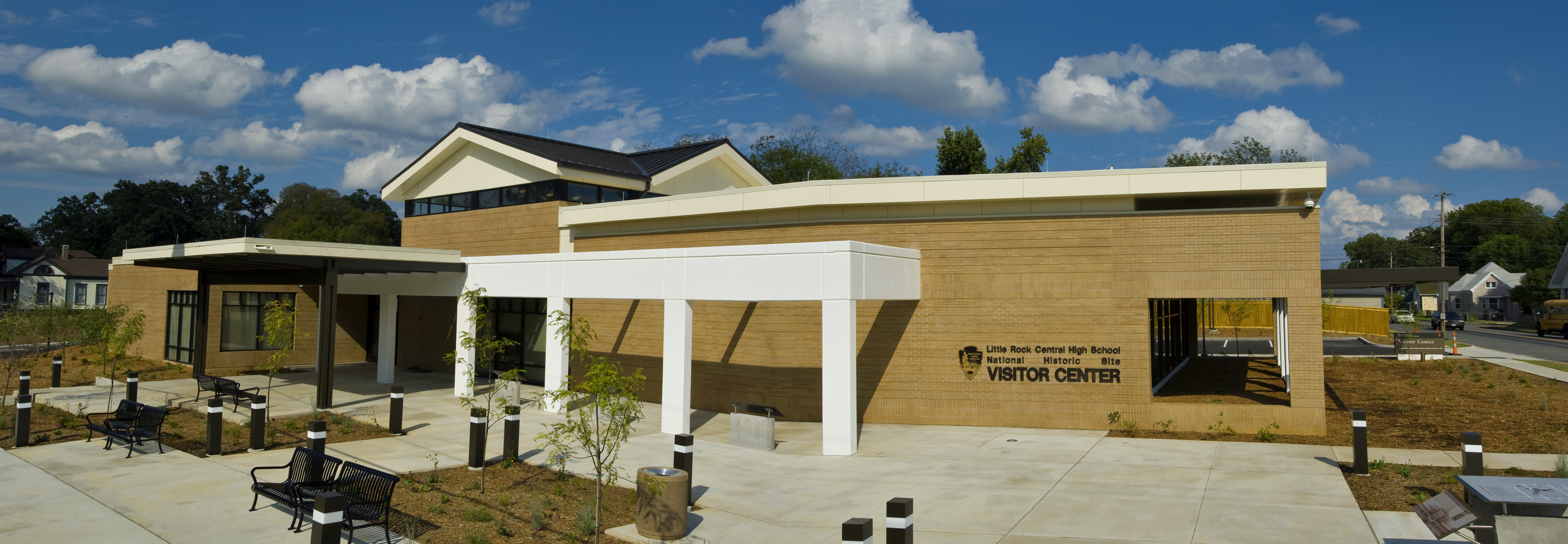
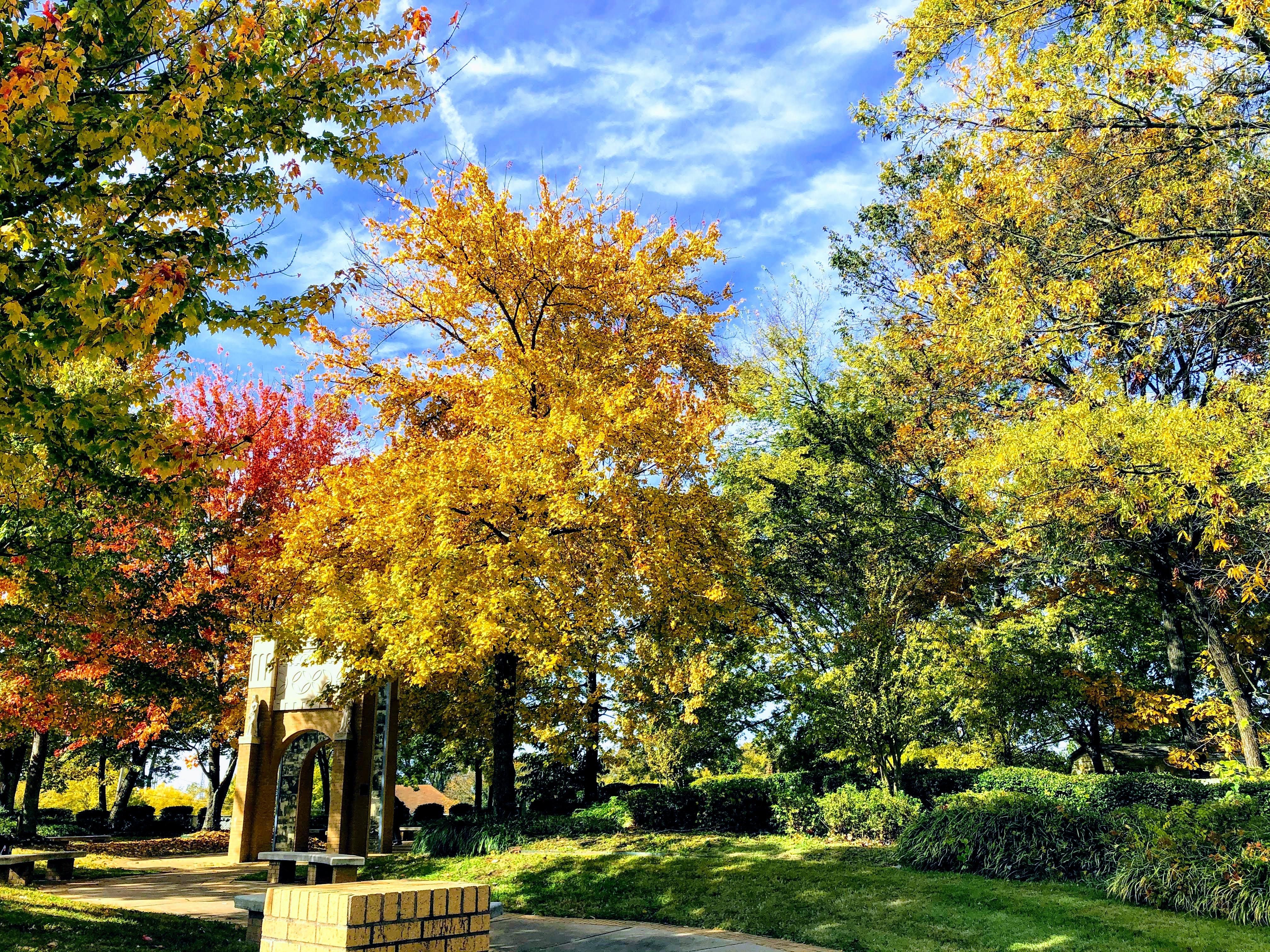
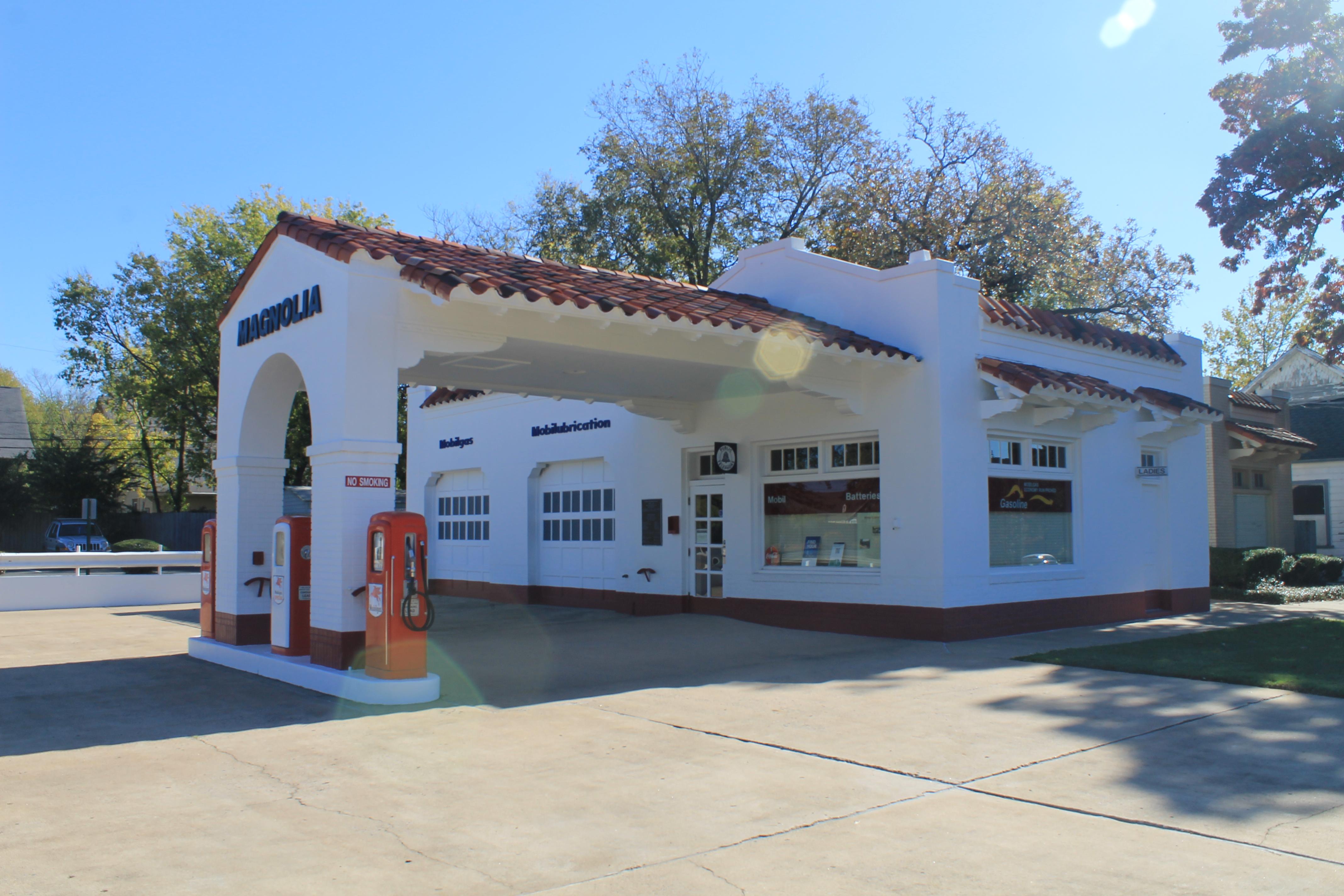
The Little Rock Central High School National Historic Site Visitor Center is currently open Tuesday through Saturday (10:00 a.m. CST/CDT to 4:00 p.m. CST/CDT). The Magnolia Mobil Gas Station & Little Rock Central High School are closed to the public and not available for public use. The commemorative garden is open daily for public visitation and use from 7:00 a.m. CST/CDT until sunset. Guests may visit the NHS daily; we recommend the NPS App for digital content on days when the visitor center is closed.
| mon | tue | wed | thu | fri | sat | sun |
|---|---|---|---|---|---|---|
| Closed | 10:00AM - 4:00PM | 10:00AM - 4:00PM | 10:00AM - 4:00PM | 10:00AM - 4:00PM | 10:00AM - 4:00PM | Closed |
Frequently Asked Questions
How much does it cost to enter Little Rock Central High School National Historic Site?
Little Rock Central High School National Historic Site is free to enter.
What are the best activities at Little Rock Central High School National Historic Site?
Popular activities at Little Rock Central High School National Historic Site include: Arts and Culture, Guided Tours, Self-Guided Tours - Walking, Junior Ranger Program, Park Film, Museum Exhibits.
What is the weather like at Little Rock Central High School National Historic Site?
Arkansas weather can change quickly. While the state is in a moderate temperate zone, it does experience strong thunderstorms, tornadoes and flash floods. In winter, "snow" events tend to quickly turn to thin ice which can be difficult to see and to clear. Summer temperatures and humidity can lead to dehydration, heat exhaustion and heat stroke. Visitors are advised to dress in layers and be prepared for precipitation. Average seasonal temperatures (°F): Spring: 62° Summer: 80° Fall: 63° Winter: 43°
How do I get to Little Rock Central High School National Historic Site?
From I-630, take Exit 2B (Dr. Martin Luther King Drive). Go south (away from the Arkansas State Capitol) to W. Daisy L. Gatson Bates Drive. Turn right (head west) and continue 0.5 miles. The Visitor Center is on the right at the corner of W. Daisy Bates Drive and Little Rock Nine Way. Parking lot entrance is located just before the intersection with Park Street, directly across from the historic Magnolia/Mobil Gas Station and diagonally across from Central High School (still a functioning high school).
Entrance Fees
Free Admission
Weather
Arkansas weather can change quickly. While the state is in a moderate temperate zone, it does experience strong thunderstorms, tornadoes and flash floods. In winter, "snow" events tend to quickly turn to thin ice which can be difficult to see and to clear. Summer temperatures and humidity can lead to dehydration, heat exhaustion and heat stroke. Visitors are advised to dress in layers and be prepared for precipitation. Average seasonal temperatures (°F): Spring: 62° Summer: 80° Fall: 63° Winter: 43°
Directions
From I-630, take Exit 2B (Dr. Martin Luther King Drive). Go south (away from the Arkansas State Capitol) to W. Daisy L. Gatson Bates Drive. Turn right (head west) and continue 0.5 miles. The Visitor Center is on the right at the corner of W. Daisy Bates Drive and Little Rock Nine Way. Parking lot entrance is located just before the intersection with Park Street, directly across from the historic Magnolia/Mobil Gas Station and diagonally across from Central High School (still a functioning high school).
📍 View on Google Maps →Location
Official Resources
NPS Official WebsiteMore Parks in Arkansas
Other national park sites you might enjoy